Georgia-based doctors are actively tracking and investigating a virus outbreak that occurred on a cruise ship. Medical professionals are monitoring the situation to understand the spread and impact of the illness among passengers and crew. The outbreak has raised health and safety concerns for cruise operations.
📰 Reported — from industry news sources
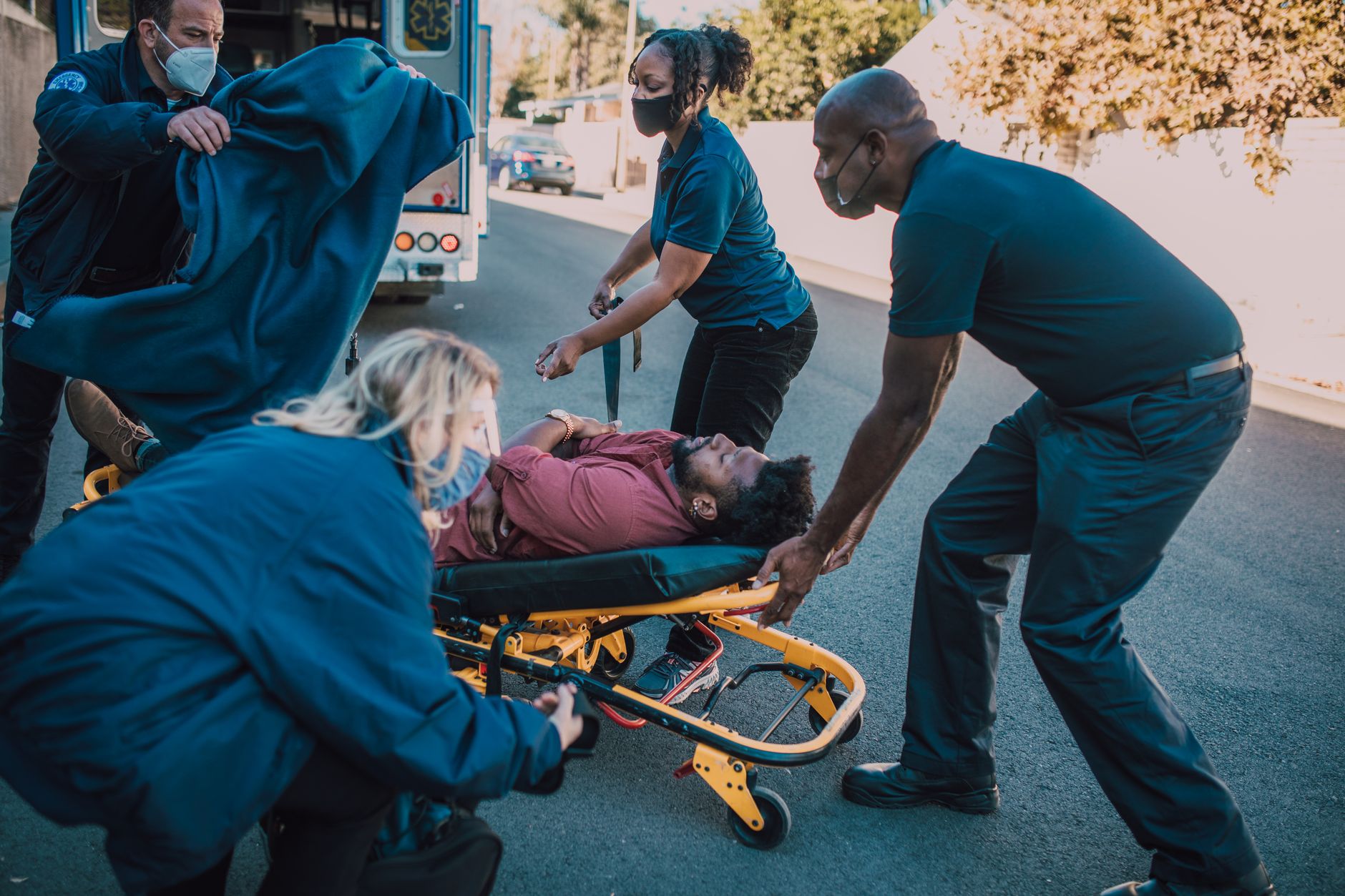 Photo by RDNE Stock project on Pexels
What Happened
Medical professionals based in Georgia are conducting an active investigation into a viral illness outbreak aboard a cruise ship. The doctors are working to trace how the virus spread among passengers and crew, assess the health impact, and gather data on transmission patterns. The investigation comes as health and safety protocols on cruise ships face renewed scrutiny following the incident.
 Photo by RDNE Stock project on Pexels
What This Actually Means For Your Wallet
If you're on a cruise dealing with a virus outbreak—or booked on a future sailing that gets affected—here's the money you're risking.
The immediate hit: Passengers on an active outbreak sailing typically face $0 in direct refunds unless the cruise line voluntarily cancels the voyage. Most cruise contracts include a clause that lets the line continue operations even when illness is present, as long as they're following public health protocols. You paid $1,200 per person for that Caribbean week? You're staying on the ship. The line will deep-clean, maybe close the buffet for a few hours, hand out sanitizer like candy, and keep sailing. Port cancellations due to health concerns could cost you $300-600 in prepaid shore excursions that may or may not be refunded depending on whether the tour operator or the cruise line was the vendor.
What the contracts actually say: Most major cruise lines (Carnival, Royal Caribbean, Norwegian) include language that lets them modify itineraries or continue sailing during illness outbreaks "at the Captain's discretion" or when directed by health authorities. The lines generally aren't obligated to refund you for a changed itinerary caused by health issues unless they cancel the entire voyage. Norwegian's ticket contract, for example, includes force majeure provisions covering "epidemics" and "quarantine." That means if CDC or a port authority forces changes, you're eating the cost. Some lines have offered future cruise credits (FCCs) as goodwill gestures during past norovirus outbreaks—typically 25% of cruise fare—but it's never guaranteed and always discretionary.
Travel insurance reality check: Standard trip-cancellation insurance does NOT cover "I don't want to go because there was an outbreak on last week's sailing." It covers named perils: you get sick before departure, a family member dies, your house floods. If you're already onboard when the outbreak happens, your insurance is useless for recouping the cruise fare. What it MIGHT cover: emergency medical treatment onboard (minus the deductible), medical evacuation if you're seriously ill (policies vary widely—check if yours has a $10,000 or $100,000 limit), and trip interruption if you're quarantined in your cabin and the line forces you off at the next port. Cancel-For-Any-Reason (CFAR) insurance would let you bail before departure and recover 50-75% of prepaid costs, but you need to buy it within 14-21 days of your initial deposit, and it typically costs 40-60% more than standard coverage.
Do this today: If you're booked on an upcoming cruise and this outbreak is on your ship or cruise line, call the line directly (not your travel agent first—you need the official policy stance) and ask whether they're offering voluntary cancellations with full refunds or rebooking flexibility. Document the call. If they say no, THEN loop in your travel agent to push for a Future Cruise Credit with no expiration date. Don't accept the standard 12-month FCC—ask for 24 months minimum given the circumstances were outside your control.
 Photo by DΛVΞ GΛRCIΛ on Pexels
The Bigger Picture
Virus outbreaks—particularly norovirus—remain the cruise industry's most persistent operational headache and PR nightmare. Even as ships have gotten better at sanitation and response protocols, the closed-loop environment means any gastrointestinal bug spreads fast. What's notable here is that Georgia-based doctors are involved in tracking and investigation, suggesting either passengers or crew from that region were significantly affected, or the outbreak was serious enough to warrant academic/public health research beyond the cruise line's internal reporting. That level of outside medical scrutiny usually means the numbers were higher than the industry likes to admit.
What To Watch Next
- CDC Yellow Sheet updates: The CDC's Vessel Sanitation Program publishes inspection scores and outbreak reports. If this ship scores below 85 on its next inspection, that's a red flag the sanitation response failed.
- Class action filings: Passenger lawsuits typically emerge 60-90 days after major outbreaks, especially if anyone required hospitalization or if the line continued embarkation knowing cases were already onboard.
- Booking pace data for the affected ship: If this outbreak gets media traction, watch whether the cruise line starts offering steep discounts (40%+ off) on near-term sailings for that specific vessel—a sign they're struggling to fill cabins.
📊 Have a cruise booked that might be affected by news like this? CruiseMutiny can run a full all-in cost breakdown for your specific sailing — and flag any disruptions tied to your dates or ship.
Last updated: May 13, 2026. This is a developing story — check back for updates.
Watch: Cruise Ship Virus Outbreak: Doctors Investigate!
Published
Video Transcript
Georgia doctors are actively investigating a virus outbreak on a cruise ship. And yeah... this is the kind of news that makes you wonder if your family vacation is worth the risk.
Here's what we know: medical professionals are tracking spread among passengers and crew. We don't have full details yet on which ship, how many people got sick, or what virus we're talking about. But the fact that doctors in Georgia are involved means this was significant enough to flag.
Look... illness on ships happens. Norovirus, respiratory stuff, stomach bugs. They spread fast in close quarters. That's just reality. But what matters to you as a booker is this: cruise lines have gotten better at reporting and isolating sick passengers. Most lines now have isolation cabins. They're monitoring ventilation systems way more than they used to.
Here's your practical takeaway: if you're sailing in the next month or two, check your cruise line's website for any outbreak notices. They have to report it. Ask your travel agent directly — don't rely on the cruise line's marketing site.
Also... travel insurance that covers illness-related cancellation is suddenly looking pretty smart. Not just for you getting sick before you leave. For situations like this where an outbreak could force itinerary changes or port cancellations.
And honestly? If you're immunocompromised or traveling with elderly family members, this is when you seriously reconsider timing. I'm not saying don't cruise. I'm saying know what you're walking into.
Full situation updates and health protocols at travelmutiny.com — link in bio.