A cruise ship experienced a possible norovirus outbreak resulting in one death and approximately 50 other passengers showing symptoms. The outbreak prompted immediate health response and passenger quarantine measures. This incident highlights ongoing disease transmission risks in cruise ship environments.
📰 Reported — from industry news sources
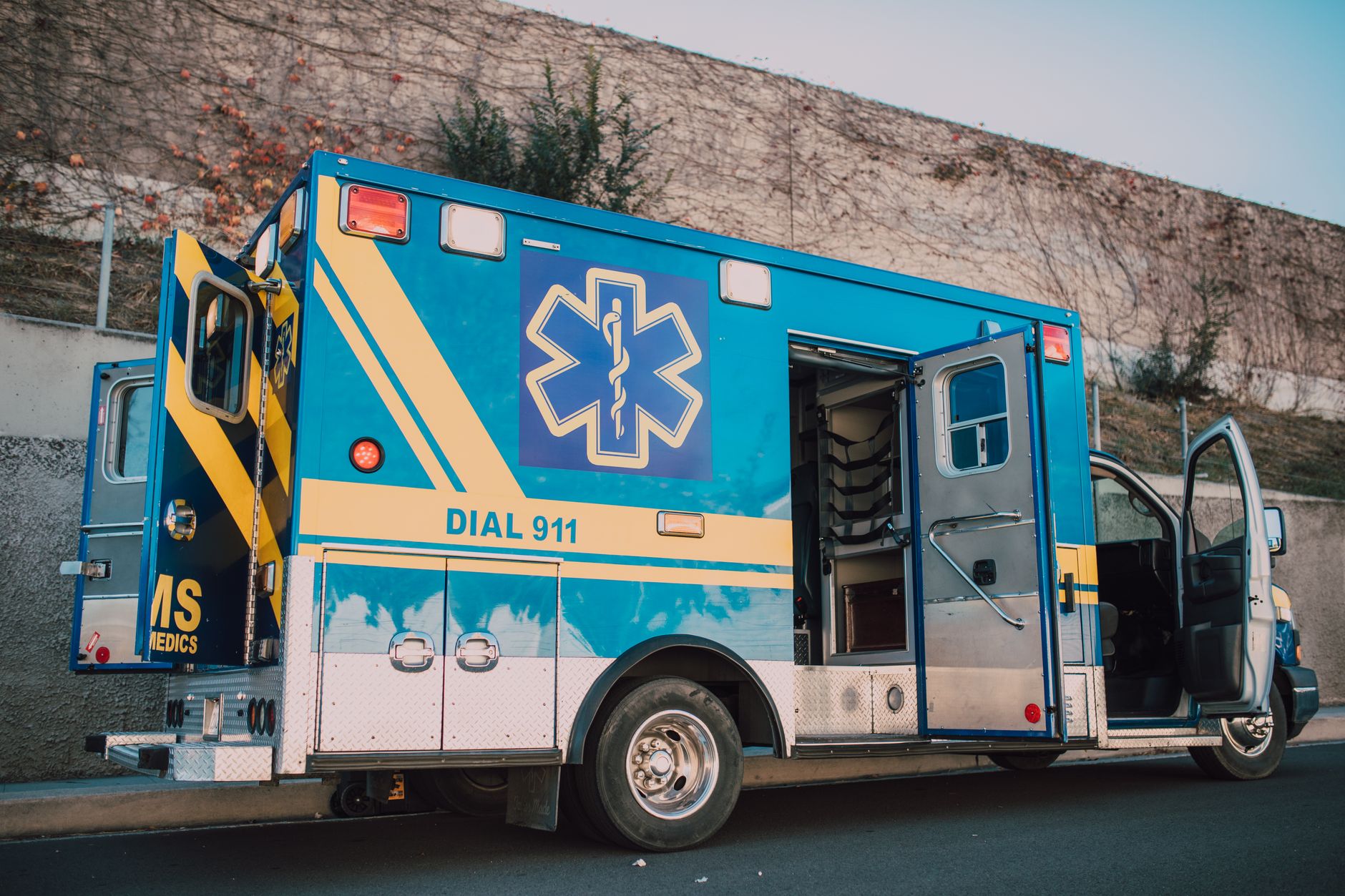 Photo by RDNE Stock project on Pexels
Norovirus Outbreak on Cruise: 1 Dead, 50 Symptomatic Passengers
What Happened
A cruise ship dealt with a confirmed norovirus outbreak that sickened roughly 50 passengers and resulted in one death. Health authorities moved in, passengers were isolated, and the ship executed standard disease-containment protocols. This is the third notable GI outbreak in the cruise industry since 2024—and it's a reminder that ships remain petri dishes no matter how much marketing material says otherwise.
 Photo by DΛVΞ GΛRCIΛ on Pexels
What This Actually Means For Your Wallet
Let's be direct: if you were on this sailing or booked for it, you're facing real money exposure—and the cruise line's playbook is predictable and rarely generous.
Estimated Financial Impact
An affected passenger looking at total losses could see:
- Cruise fare refund or credit: Most lines offer a full refund or a future cruise credit (FCC) worth 100% of paid fare. That's $1,200–$4,500 depending on cabin type and length. The catch? You usually get to choose the credit option only if you cancel immediately upon notification. Wait, and they'll push the FCC-only direction.
- Pre-paid excursions: Roughly $800–$2,500 per passenger for a week-long sailing. Cruise lines technically refund these, but processing takes 60–90 days.
- Flight changes: If you booked airfare (especially air-inclusive packages), rebooking after quarantine or disembarkation can cost $200–$600 per person in change fees, assuming your original flight is even available.
- Hotel/ground costs for early disembarkation: If the ship diverts to an unscheduled port and deposits you early, you're looking at $150–$400/night for last-minute lodging plus ground transport home. The line rarely covers this unless there's a formal force-majeure event declared.
- Specialty dining and beverage packages: Non-refundable on most lines. If you pre-purchased a drink package ($70/day typical, roughly $490–$700 for a week), you lose it. Specialty dining covers ($40–$45 per person per dinner) are gone.
- Total exposure range: $2,500–$8,000+ per passenger for a full-week cruise with significant pre-purchases.
What the Cruise Line's Policy Actually Says
Standard contract-of-carriage language for health-related incidents is vague by design. Most lines—Carnival, Royal Caribbean, Norwegian—reserve the right to quarantine, deny boarding, or disembark passengers if "health conditions" warrant it. The policy typically reads something like: "The Company reserves the right to refuse passage or remove any guest whose health or conduct poses a risk to the health or safety of other guests or crew."
When a declared outbreak occurs, the line's stance is usually: full refund of base fare (or FCC at passenger's choice) for unused cruise nights. That's it. Pre-paid extras fall into a gray zone. Excursions are refunded, yes—eventually. Drink packages and specialty dining are almost never refunded; they're classified as "services rendered or made available." Airfare, hotels, and ground transportation? Not the cruise line's problem, contractually speaking.
If the ship was quarantined mid-voyage, some lines have offered $200–$500 onboard credits to affected passengers as a gesture, but this is discretionary, not guaranteed. Expect the line to cite "act of God" or "public health emergency" language to limit liability.
What Travel Insurance Typically Covers (and What It Doesn't)
Standard trip-cancellation insurance usually excludes pandemics and disease outbreaks explicitly. You'll see language like: "Claims arising from epidemic or pandemic conditions known or unknown at the time of purchase are not covered."
Cancel-for-Any-Reason (CFAR) policies might cover this—but only if you purchased CFAR before the outbreak was reported. Once it's public knowledge, new purchases are instantly excluded. If you already own CFAR and the ship becomes unavailable due to the outbreak, you're likely covered for 75–90% of prepaid trip costs (minus deductible, typically $250–$500).
Medical evacuation insurance (separate rider) covers if you're hospitalized during the outbreak, but most cruise-bundled medical coverage is limited to $250,000 maximum and requires evacuation to be medically necessary—not just expedited disembarkation.
Bottom line: Unless you bought CFAR before news broke, insurance won't rescue you. Your cruise line's cancellation policy is your actual safety net, and it's barely a net.
Action to Take Today
If you're booked on this ship or had a sailing affected by this outbreak: Pull up your booking confirmation right now and email the cruise line's guest services department with a single, clear request: "I am requesting either a full refund of my cruise fare and all prepaid expenses, or a future cruise credit for 125% of my paid amount due to the documented health incident on [ship name]. I need confirmation of your decision within 48 hours." Do not accept a 50% FCC. Do not negotiate down. The cruise line's initial offer will be low; this is the industry standard. Make them justify why you should accept less when their ship had an outbreak and you have zero control over your own health exposure. Document everything in writing—no phone calls. CC your travel agent if you used one.
 Photo by RDNE Stock project on Pexels
The Bigger Picture
Norovirus outbreaks on cruise ships aren't news because they're rare—they're news because the industry's sanitation protocols, despite improvements since pre-2020, still fail under real conditions. A 50-passenger outbreak on a 3,000-person ship is statistically small, but it's also fully preventable with consistent isolation procedures and proper cleaning. The death should alarm anyone claiming cruise ships are "safer now." They're not inherently safer; they're just more crowded and more profitable.
This also signals that cruise bookings still carry unreported risk. Marketing materials tout new ventilation systems and sanitization, but a virus doesn't care about your cruise line's press release.
What To Watch Next
- Regulatory response: Watch whether the CDC or comparable health authority in the ship's flag state issues a formal Health Alert or issues new ventilation/isolation mandates. This directly affects future sailings and could delay the ship's return to service.
- Passenger lawsuit activity: Class-action suits typically emerge 30–60 days after a major outbreak. If you're affected, document all expenses and communications now—law firms will be recruiting.
- Cruise line's next move: The company will likely offer heavily discounted "return cruises" or loyalty credits to affected passengers as a retention tactic. Don't mistake a discount for an apology. Demand cash refunds first; you earn nothing by accepting a future cruise credit when you just experienced a health scare on their ship.
📊 Have a cruise booked that might be affected by news like this? CruiseMutiny can run a full all-in cost breakdown for your specific sailing — and flag any disruptions tied to your dates or ship.
Last updated: May 13, 2026. This is a developing story — check back for updates.