After 1,700 guests were confined due to a norovirus outbreak, authorities cleared the cruise ship to continue sailing. The incident demonstrates cruise industry protocols for handling disease outbreaks and passenger safety measures. The ship was able to resume normal operations following health authority approval.
📰 Reported — from industry news sources
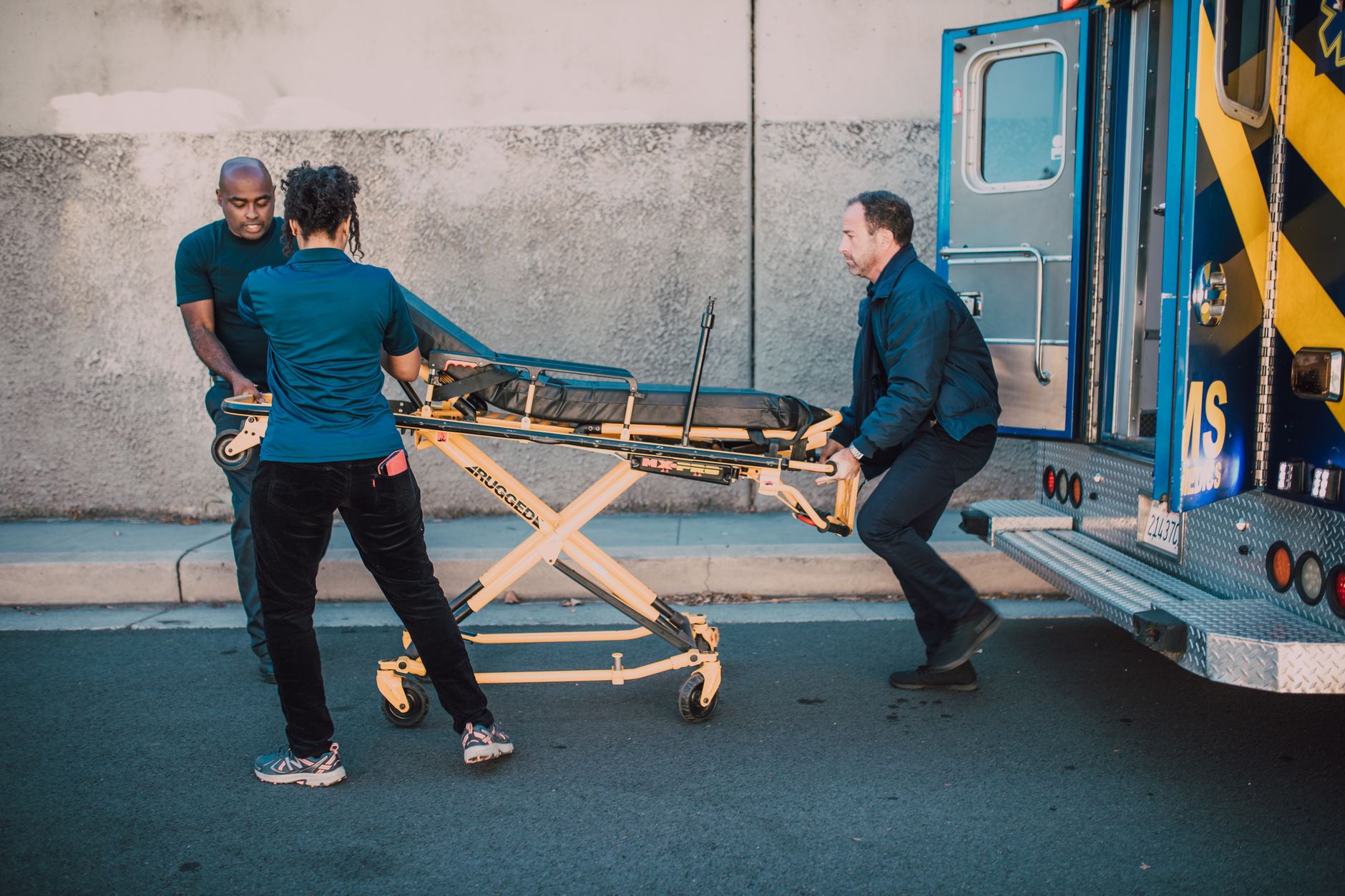 Photo by RDNE Stock project on Pexels
What Happened
A cruise ship with roughly 1,700 passengers aboard was hit with a norovirus outbreak that forced guests into their cabins. After health authorities gave the all-clear, the ship resumed normal operations. The incident is a real-world test of how cruise lines handle disease protocols—and whether their systems actually work or just look good on paper.
 Photo by RDNE Stock project on Pexels
What This Actually Means For Your Wallet
Let's be direct: if you were on that ship, you just got a crash course in how much a disease outbreak costs you—even after the cruise line "clears" the ship to sail again.
Estimated Financial Impact
A confined-to-cabin scenario typically hits you in multiple ways:
- Lost port time: If you missed 1–2 port days, you're looking at $150–$400 in refunded port fees, depending on itinerary and line. Some lines refund it; others offer future cruise credits (FCC) instead, which is worth less because you'll spend it on the same overpriced onboard economy.
- Missed shore excursions: Pre-booked excursions are the real killer. A $300 snorkel tour or $200 guided city walk? Most lines will refund it eventually, but the process takes 30–60 days. If you booked through a third-party operator, you're in a different nightmare altogether.
- Airfare exposure: If the cruise was cut short or cancelled entirely, you absorb the cost of rerouting flights home early or extending your stay. Budget $200–$600 for a standby ticket or rebooking fee, depending on your market.
- Cabin-bound supplies and meals: The line will feed you room service (included), but if you paid for a drink package, specialty dining reservations, or paid dining events during confinement, you got little-to-no value. Most lines won't proactively refund this unless you fight for it.
- Total exposure: $500–$1,500 per passenger, and that's if the cruise resumes. If it gets fully cancelled, double that estimate.
What the Cruise Line's Policy Actually Says
Here's the catch: norovirus outbreaks sit in a gray zone in most cruise-line contracts.
The standard cruise-line contract of carriage typically classifies disease outbreaks under "force majeure" or "circumstances beyond the cruise line's control." This language lets them off the hook from liability in most cases. They're required to refund your cruise fare if the ship doesn't sail (that's federal law for U.S. sailings), but they're not obligated to cover incidental losses—your flights, your shore excursions booked elsewhere, your hotel stay if the cruise is delayed.
If the cruise completes but you're confined to your cabin, cruise lines take different stances. Carnival and Royal Caribbean will often issue a future cruise credit equal to 10–25% of your fare—not a cash refund. Norwegian Cruise Line tends to be slightly more generous with FCCs but still rarely offers money back. Refund policies vary by when you booked, what tier you purchased, and whether you had the "full refund" option at booking (which almost nobody pays for because it costs an extra $100–$300).
None of them advertise this upfront, and none of them will volunteer a full refund unless you escalate to corporate or threaten a chargeback.
What Travel Insurance Covers (and Doesn't)
This is where most people get blindsided.
Standard trip-cancellation insurance covers "named perils"—things like flight cancellations, medical emergencies, or death in the family. Disease outbreaks are sometimes covered under epidemic/pandemic clauses, but most policies sold before 2024 explicitly exclude them or limit coverage to evacuation only.
Cancel-for-Any-Reason (CFAR) policies do cover a norovirus confinement, but they refund 50–75% of your trip cost (not 100%), and premiums run 8–15% of your total trip cost. You also need to buy CFAR within 2 weeks of your initial trip deposit, so it's too late if you're reading this mid-cruise.
Travel insurance will not cover:
- Lost shore excursions if the cruise completes (named-peril policies only cover if the entire cruise is cancelled)
- Airline change fees if you rebook your own flight
- Your prepaid onboard credit or drink packages
One Specific Action to Take TODAY
If you were booked on this ship: Pull your booking confirmation and email your cruise line's customer service with subject line "Confinement-Related Losses – [Booking Reference]." Request a detailed list of refundable charges (prepaid excursions, specialty dining, drink packages) and ask for clarification on whether they're refunding port fees or issuing FCC only. Do this within 48 hours of disembarkation while the incident is still fresh in their system. Most lines respond faster to a documented request than to a general complaint.
If you were booked on a future sailing with this ship: Check whether your insurance policy has an epidemic exclusion rider. Call your insurer directly and ask, "Does my policy cover cancellation or confinement due to norovirus or other infectious disease?" Get the answer in writing.
 Photo by RDNE Stock project on Pexels
The Bigger Picture
Norovirus is the cruise industry's recurring nightmare—it spreads fast, looks bad in the media, and exposes the tension between "resume operations ASAP" and "actually keep people safe." The fact that authorities cleared the ship to sail 1–2 days after confinement ended tells you authorities are prioritizing throughput, not caution. That doesn't mean the ship is unsafe, but it does mean you're trusting that the deep-cleaning protocol actually worked, and that the crew followed it.
This is also a reminder that cruise lines treat disease outbreaks as a cost to be managed, not a liability to be owned. The refunds and FCCs are designed to look generous while protecting their margins.
What To Watch Next
- Whether this ship gets another outbreak in the next 30 days — if it does, the "all clear" and cleaning protocols will look like theater.
- How many passengers pursue chargebacks or small-claims cases — this will signal whether the refund offers were actually sufficient or if people felt stiffed.
- Updates on whether excursion operators and airlines honored rebooking requests for affected passengers — third-party vendors are rarely obligated to help, and that's where real losses happen.
📊 Have a cruise booked that might be affected by news like this? CruiseMutiny can run a full all-in cost breakdown for your specific sailing — and flag any disruptions tied to your dates or ship.
Last updated: May 14, 2026. This is a developing story — check back for updates.