Solo cruising with autism is absolutely doable — and for many neurodivergent travelers, the structured environment, predictable routine, and single-embarkation format make cruising a genuinely great fit. Budget $150–$250/day all-in for a mainstream line, and choose your ship size and itinerary carefully.
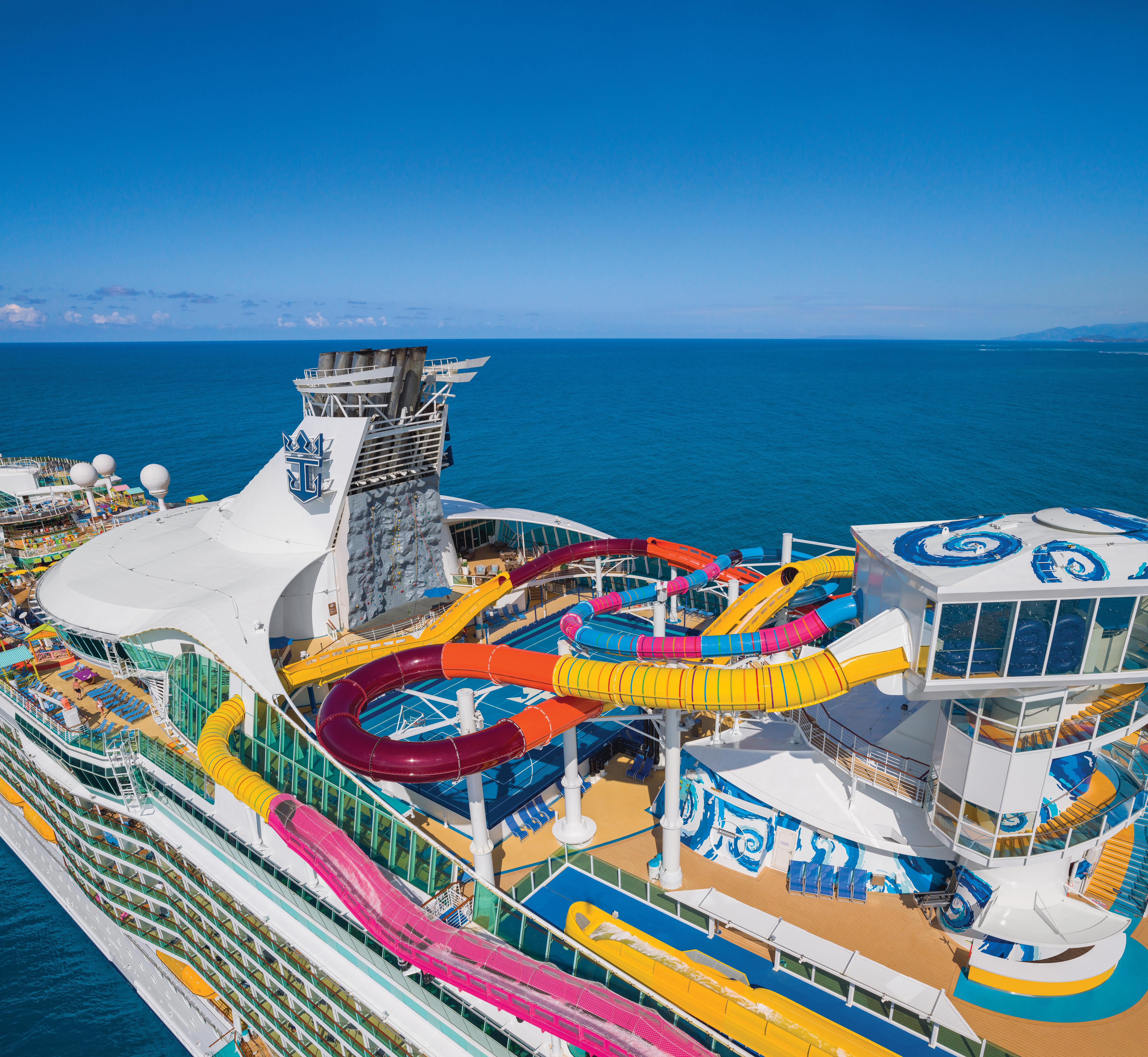 Photo: Royal Caribbean International
Cruises get a bad reputation as loud, chaotic, overwhelming experiences — but here's the truth: for many autistic travelers, a cruise ship is one of the most manageable travel formats out there. One unpacking, one home base, predictable meal times, and you control exactly how much social interaction you have. The key is choosing the right ship, the right line, and knowing where your money actually goes.
What a First Solo Cruise Actually Costs (All-In)
The cabin fare is just the start. Here's what a realistic solo cruise budget looks like across tiers for a 7-night sailing in 2025–2026. Note that most lines charge a solo supplement — typically 100% of the double-occupancy rate — unless you book a designated solo cabin.
| Cost Category | Budget Tier | Mid-Range Tier | Splurge Tier |
|---|---|---|---|
| Cabin (7 nights, solo) | $600–$900 | $900–$1,800 | $2,000–$4,000+ |
| Gratuities (7 nights) | ~$126 ($18/day) | ~$126–$175 | ~$175–$210 |
| Drinks (BYOB or minimal) | $50–$150 | $350–$500 (package) | $500–$700 (premium pkg) |
| Wi-Fi (7 nights) | $105–$175 | $175–$210 | Included (Virgin/Oceania) |
| Specialty Dining | $0 (MDR only) | $80–$200 | $200–$500+ |
| Excursions/Port Spending | $0–$200 | $200–$500 | $500–$1,500 |
| Estimated 7-Night Total | $900–$1,500 | $1,800–$3,300 | $3,500–$7,000+ |
Per-day reality check: Budget solo cruisers typically spend $130–$215/day. Mid-range runs $260–$470/day. These numbers include everything.
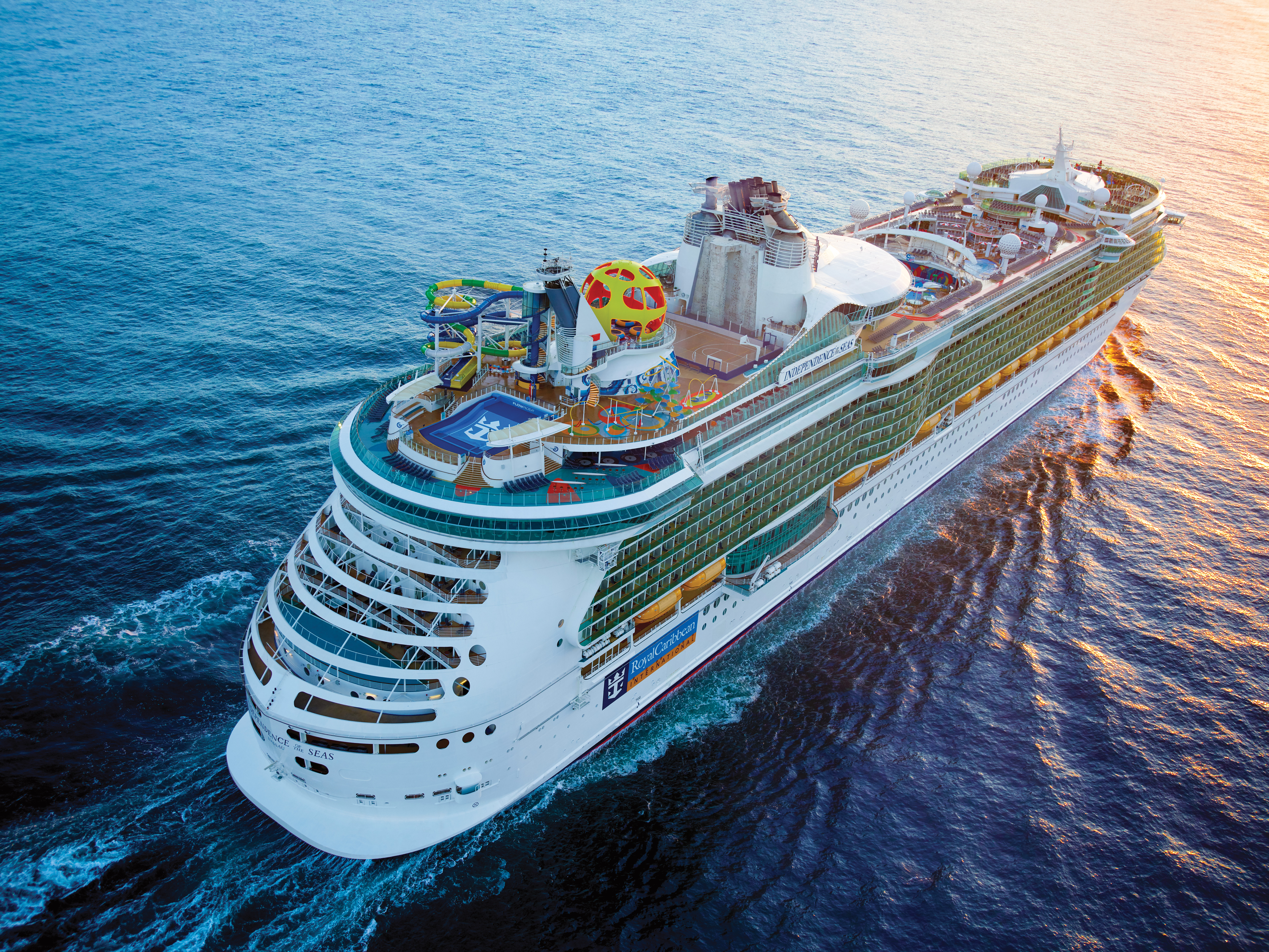 Photo: Royal Caribbean International
Key Factors That Make or Break the Experience for Autistic Travelers
Ship size matters enormously. A 6,000-passenger mega-ship like Icon of the Seas is a theme park at sea — overwhelming crowds, long lines, constant stimulation. A 2,000–3,000 passenger mid-size ship (think Celebrity Edge, Norwegian Encore, Princess Coral) is far more manageable. Smaller luxury ships (under 1,000 passengers) are quieter still but cost significantly more.
Itinerary type determines your daily stress load.
- Sea-heavy itineraries (3+ sea days) give you days of total ship control — you set the pace, you pick your quiet corner, no time pressure.
- Port-intensive itineraries (a new port every day) can feel like constant logistical pressure, especially if you're navigating excursions solo.
Solo cabin vs. solo supplement. Norwegian Cruise Line has the best dedicated solo cabin program (Studio cabins on many ships, ~$800–$1,200 for 7 nights with no supplement). Virgin Voyages is 100% solo-friendly — no supplement on solo bookings, gratuities and Wi-Fi included, and an adults-only environment that's noticeably calmer than family mega-ships.
Dining flexibility reduces anxiety. The main dining room (MDR) with assigned dining means the same table, same waitstaff, same routine every night — genuinely great for routine-dependent travelers. Buffets can be chaotic at peak hours; go at off-peak times (before 7am or after 9am for breakfast, before noon for lunch) and it's a different experience.
Cabin type as a decompression space. A balcony cabin is worth the upgrade for solo autistic travelers. Having a private outdoor space to decompress — no noise, no people, just sea air — is not a luxury, it's a functional need. Budget an extra $200–$400 for the upgrade over an interior cabin. It's worth it.
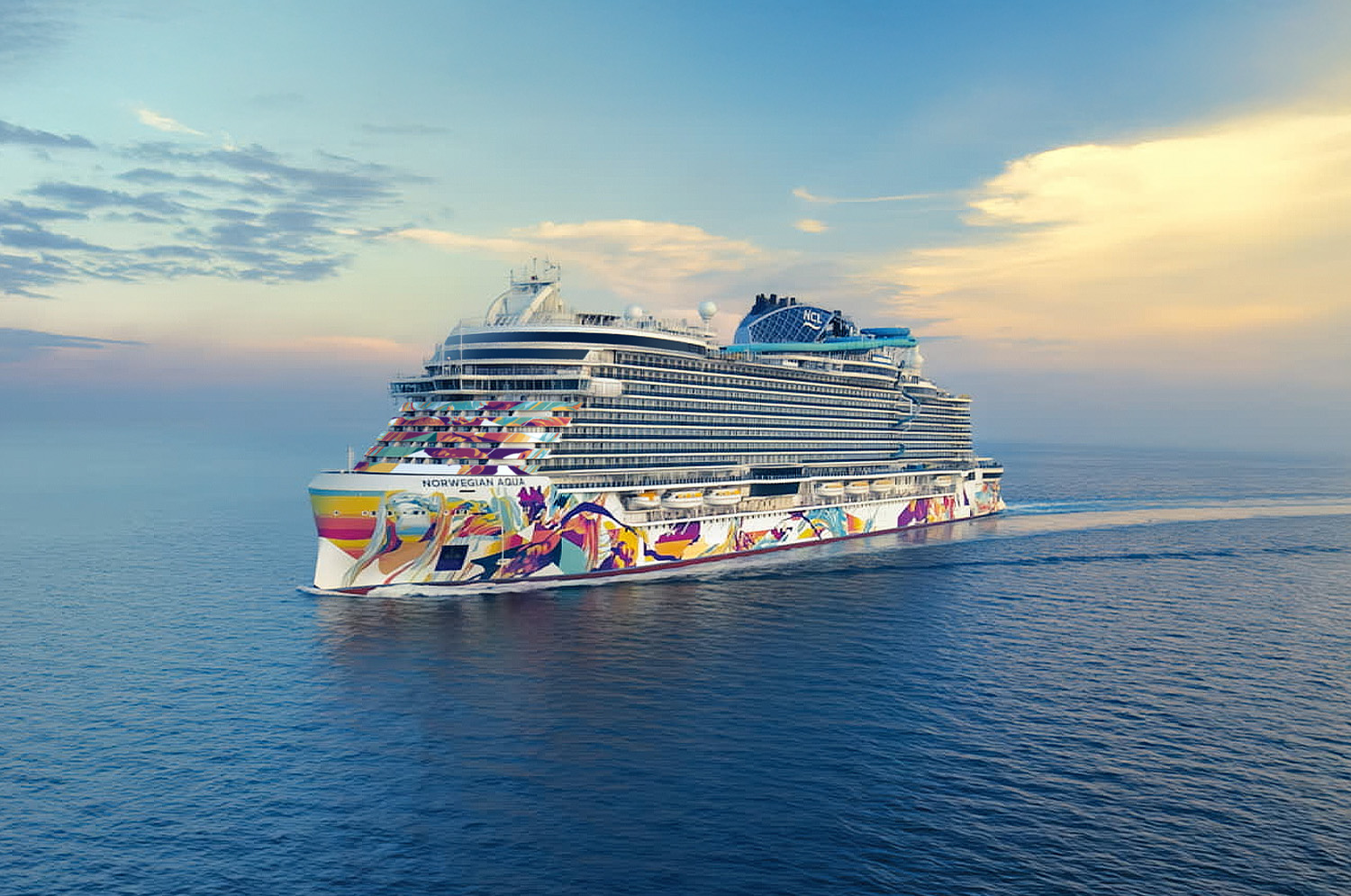 Photo: Royal Caribbean International
Practical Cost Tips for First-Time Solo Autistic Cruisers
1. Skip the drink package if you're a light drinker. The break-even on a mainstream line's beverage package is 5–6 drinks per day (including specialty coffee). If you're not hitting that, pay as you go. Individual cocktails run $11–$16 before the 18–20% service charge — a few drinks a day is $20–$40/day, far less than the $70–$95/day package price.
2. Pre-book everything that can be pre-booked. Specialty dining, shore excursions, spa appointments — locking these in advance eliminates the daily decision fatigue of "what do we do now." Most lines offer these through their app or Cruise Planner before you sail, often at 10–20% discounts versus onboard pricing.
3. Eat breakfast and lunch at the buffet, off-peak. This saves $0 directly (it's included) but massively reduces sensory overwhelm. The MDR at lunch is often underused and far quieter than the buffet.
4. Request a quiet cabin location at booking. Midship, middle deck cabins experience the least motion and are farthest from loud venues (nightclub, pool deck). Ask specifically — it costs nothing. Avoid cabins directly below the pool deck or above the theater.
5. Use the cruise line's accessibility desk proactively. Every major line has one. You don't need a formal autism diagnosis on file — you can simply request accommodations like: priority boarding/disembarkation, quieter dining seating, advance notice of lifeboat drills (some lines now offer headsets or pre-recorded versions). These are free.
6. Norwegian Studio cabins are the budget solo sweet spot. At $115–$170/night with no solo supplement, and access to a dedicated Studio Lounge (quiet, for Studio guests only), NCL's solo cabin program is unmatched for first-timers watching their budget.
Best Lines and Ships for Solo Autistic First-Timers
| Cruise Line | Why It Works | Solo Supplement | Est. 7-Night Solo Cost |
|---|---|---|---|
| Norwegian (Studio cabin) | Dedicated solo cabins, Studio Lounge, flexible dining | None (Studio) | $1,200–$2,200 |
| Virgin Voyages | Adults-only, gratuities + Wi-Fi included, calmer vibe | None | $1,800–$3,500 |
| Celebrity Edge-class | Mid-size, quieter, excellent MDR routine, strong accessibility | 100% (or book early deals) | $2,000–$4,000 |
| Princess (mid-size ships) | Traditional, routine-friendly, MedallionClass app reduces friction | 100% (watch for solo sales) | $1,500–$3,000 |
| Royal Caribbean (mid-size) | Broad amenity range, avoid the mega-ships (Icon, Wonder) | 100% | $1,400–$3,000 |
Avoid for a first solo cruise: Disney Cruise Line (family chaos, premium prices), Icon of the Seas / Wonder of the Seas (overwhelming scale), ultra-budget lines with minimal structure.
Best itinerary for a first timer: A 4–5 night Bahamas or Caribbean sailing with 2 sea days. Short enough to test the experience, long enough to get comfortable, and sea days give you full ship time without port pressure. If you love it, go longer next time.
Your first solo cruise doesn't need to be perfect — it needs to be manageable. Start small, pick the right ship size, get a balcony, and pre-book the things that matter. Use CruiseMutiny to compare real all-in costs across lines before you book, so the price you see is the price you actually pay — no surprises at the end of the sailing.